Off-Grid Cooking Methods 2026: The Complete Guide to Cooking Without Power
The complete 2026 guide to off-grid cooking: rocket stoves, solar ovens, cast iron, and propane compared head-to-head. Includes fuel storage rules, safety protocols, and a layered cooking system that works year-round.
When the grid goes down, your electric stove becomes a very expensive paperweight. Whether you're on a remote homestead, preparing for emergencies, or living a self-sufficient lifestyle, knowing how to cook without electricity isn't optional, it's essential.
Off-grid cooking is both an art and a science. It connects us to thousands of years of human ingenuity while demanding practical skills that most modern kitchens have made obsolete. This guide covers every major method for cooking off grid, from ancient fire techniques to modern portable solutions, along with the safety protocols and fuel storage considerations that keep your family fed and safe.
For the shorter, emergency-only version of this guide, see our 5 off-grid cooking methods for emergencies post.
Why Off-Grid Cooking Skills Matter
The average U.S. household experiences roughly 1.4 power interruptions per year, but in 2022 the average duration crossed 5.5 hours per customer (EIA), and that average hides the extremes. Winter storms, hurricanes, wildfires, and infrastructure failures can leave communities without power for days or weeks. In 2021, the Texas power crisis left millions without electricity in freezing temperatures. In 2024, Hurricane Helene knocked out power to more than 4 million customers across the Southeast for over a week in many areas.
Beyond emergencies, millions of people are choosing off-grid living deliberately. Homesteaders, cabin owners, van-lifers, and overlanders all need reliable cooking methods that don't depend on the electrical grid. Cooking off the grid isn't just about survival, it's about freedom.
Let's explore the methods that make it possible.
Rocket Stoves: Maximum Heat from Minimal Fuel
Rocket stoves represent one of the most efficient ways to cook with wood. Originally developed for use in developing nations where fuel scarcity is a daily reality, rocket stoves have become a cornerstone of off-grid cooking for preppers and homesteaders worldwide.
How Rocket Stoves Work
A rocket stove uses a simple L-shaped or J-shaped combustion chamber that creates an intense, focused flame. The design draws air through the fuel magazine and up the insulated chimney, creating a powerful draft that promotes complete combustion. The result: extremely high temperatures using a fraction of the wood required by a traditional campfire.
Advantages of Rocket Stoves
- Fuel efficiency: A rocket stove can boil water in minutes using nothing more than twigs and small branches.
- Reduced smoke: Complete combustion means less particulate matter and a cleaner burn.
- Portability: Many commercial rocket stoves weigh under 5 pounds.
- Fuel flexibility: Anything dry and woody works, sticks, pine cones, dried corn cobs, even cardboard.
Rocket Stove Considerations
Rocket stoves excel at high-heat cooking like boiling, searing, and stir-frying. They're less suited for low-and-slow cooking unless you carefully manage the fuel feed. For baking or roasting, you'll want to pair your rocket stove with a thermal mass or transition to a different method entirely.
Solar Ovens: Cooking with Sunlight
Solar cooking is the ultimate in sustainable off-grid food preparation. No fuel to store, no emissions, no fire risk. Just the sun.
Types of Solar Ovens
Box cookers are the most common design. An insulated box with a glass or plastic lid traps solar energy, reaching temperatures between 250°F and 350°F. They're ideal for baking bread, cooking stews, and slow-roasting meats.
Parabolic cookers use a curved reflective surface to concentrate sunlight onto a focal point. These can reach temperatures exceeding 500°F and work much faster than box cookers, but they require frequent adjustment to track the sun and pose a greater burn risk.
Panel cookers combine elements of both designs, using reflective panels to direct light into a cooking vessel inside a clear bag or container. They're lightweight, portable, and effective in moderate sun conditions.
Solar Cooking Tips
- Timing matters: Peak solar cooking hours are between 10 AM and 2 PM.
- Use dark cookware: Black pots and pans absorb heat far more efficiently than shiny ones.
- Plan ahead: Solar cooking is slow cooking. Start your dinner at breakfast.
- Have a backup: Overcast days happen. Always have an alternative method ready.
The Reality of Solar Cooking
Solar ovens are remarkable when conditions are right, but they're entirely dependent on weather. For primary cooking off grid, they work best as part of a diversified cooking system rather than your only option.
Cast Iron Over Open Fire: The Timeless Method
There's a reason cast iron has been the cookware of choice for centuries. It's virtually indestructible, distributes heat evenly, and transitions seamlessly from stovetop to campfire to oven.
Essential Cast Iron for Off-Grid Cooking
- Dutch oven: The workhorse of off-grid cooking. Bake bread, braise meat, make stews, and cook casseroles, all in one vessel.
- Skillet: For frying, searing, and sautéing. A 10-inch or 12-inch skillet handles most tasks.
- Griddle: Perfect for pancakes, tortillas, and flatbreads when you're cooking off the grid.
Campfire Cooking Techniques
Direct heat places your cast iron directly on coals or over flames. Use this for high-heat cooking like searing steaks or stir-frying vegetables.
Tripod and chain suspends your pot over the fire, allowing you to adjust height for temperature control. This method works well for soups, stews, and anything that benefits from consistent, moderate heat.
Coal-top and bottom is the technique for Dutch oven baking. Place coals beneath and on top of your Dutch oven lid to create an oven-like environment. A common ratio is two-thirds of the coals on top, one-third on the bottom, but this varies by recipe.
Caring for Cast Iron in the Field
Cast iron needs seasoning to maintain its non-stick surface and prevent rust. After cooking, scrape out food residue, wipe with oil, and heat briefly to maintain the seasoning. In a survival scenario, even animal fat works for re-seasoning.
Propane and Liquid Fuel Stoves
For those who want the convenience of a controlled flame without grid dependency, propane and liquid fuel stoves offer a reliable middle ground between primitive fire methods and modern electric cooking.
Propane Cooking Options
Portable camp stoves run on small propane canisters and provide adjustable heat similar to a home range. They're clean, easy to use, and ignite instantly.
Larger propane systems can power full-size outdoor kitchens using refillable tanks. Many off-grid homesteads use 100-gallon or 500-gallon propane tanks as their primary cooking and heating fuel source.
Liquid Fuel Alternatives
White gas (Coleman fuel) burns hot and clean and works well at high altitudes and in cold weather. Multi-fuel stoves can also run on unleaded gasoline in emergencies.
Kerosene is widely available and stores well long-term. It burns dirtier than white gas but remains a practical option for grid-down scenarios.
Alcohol stoves use denatured alcohol or methanol. They're extremely lightweight and popular with ultralight backpackers, though they provide less heat output than other fuels.
Fuel Storage and Safety
Cooking off grid isn't just about the stove, it's about the fuel that powers it. Improper fuel storage creates fire hazards, explosion risks, and can leave you without cooking capability when you need it most.
Propane Storage Guidelines
- Store propane tanks upright, outdoors, and away from living spaces.
- Keep tanks out of direct sunlight and away from heat sources.
- Check for leaks regularly using soapy water on connections.
- Never store propane tanks indoors, in vehicles, or in enclosed spaces.
- Rotate your supply: propane doesn't expire, but tanks do. Inspect for rust and valve damage.
Liquid Fuel Safety
- Store in approved containers designed for the specific fuel type.
- Keep containers tightly sealed and stored in well-ventilated areas.
- Never store fuels near ignition sources or inside your home.
- Label all containers clearly. Confusion between fuels can be dangerous.
- Check expiration: gasoline degrades within 3-6 months without stabilizer; white gas lasts 5-7 years sealed.
Firewood Storage
For wood-burning methods like rocket stoves and open fire cooking, your fuel supply requires attention too:
- Store firewood off the ground and covered to prevent moisture absorption.
- Keep at least 30 feet from structures to reduce fire and pest risks.
- Season wood for at least 6 months before use for efficient burning.
- Maintain a mix of kindling, small branches, and larger logs for versatile fire building.
General Off-Grid Cooking Safety
Cooking without the safety systems built into modern kitchens requires heightened awareness. Follow these protocols whether you're using your methods occasionally or relying on them daily.
Fire Safety Essentials
- Always have a fire extinguisher or water source within reach.
- Never leave open flames unattended.
- Clear a 10-foot radius around any fire or high-heat cooking method.
- Establish safe cooking areas away from tents, tarps, and dry vegetation.
- Know the fire danger conditions in your area. Many regions restrict open fires during dry seasons.
Ventilation and Carbon Monoxide
- Never use combustion-based cooking methods inside enclosed spaces.
- Carbon monoxide is odorless and lethal. Symptoms include headache, dizziness, and confusion.
- If you must cook indoors during emergencies, ensure cross-ventilation with open windows on opposite sides of the space.
- Consider a battery-operated carbon monoxide detector as part of your preparedness supplies.
Food Safety Without Refrigeration
- Cook meat thoroughly. Use a thermometer if possible.
- Consume perishables first in a grid-down scenario.
- Learn food preservation methods: smoking, salting, drying, and canning extend shelf life without refrigeration.
- Keep cooked food hot (above 140°F) or cold (below 40°F) to prevent bacterial growth.
Building Your Off-Grid Cooking System
The best approach to cooking off the grid isn't choosing a single method, it's building a system with redundancy and flexibility.
A practical off-grid cooking setup might include:
1. Primary: A propane camp stove for daily cooking convenience.
2. Secondary: A rocket stove for fuel-efficient wood cooking when propane is unavailable.
3. Backup: Cast iron cookware and the skills to use an open fire.
4. Opportunistic: A solar oven for fuel-free cooking on sunny days.
This layered approach ensures you can cook regardless of weather, fuel availability, or equipment failure. The key is practicing with each method before you need it.
Why Offline Guidance Matters
Here's the uncomfortable truth about off-grid cooking: when you actually need these skills, you probably won't have internet access to look them up.
Picture this: it's day three of a power outage. Your phone battery is at 15%. You're trying to remember the coal ratio for Dutch oven baking, or the exact symptoms of carbon monoxide poisoning, or whether your stored fuel is still safe to use.
This is exactly why we built HAVEN's Off-Grid Living mode.
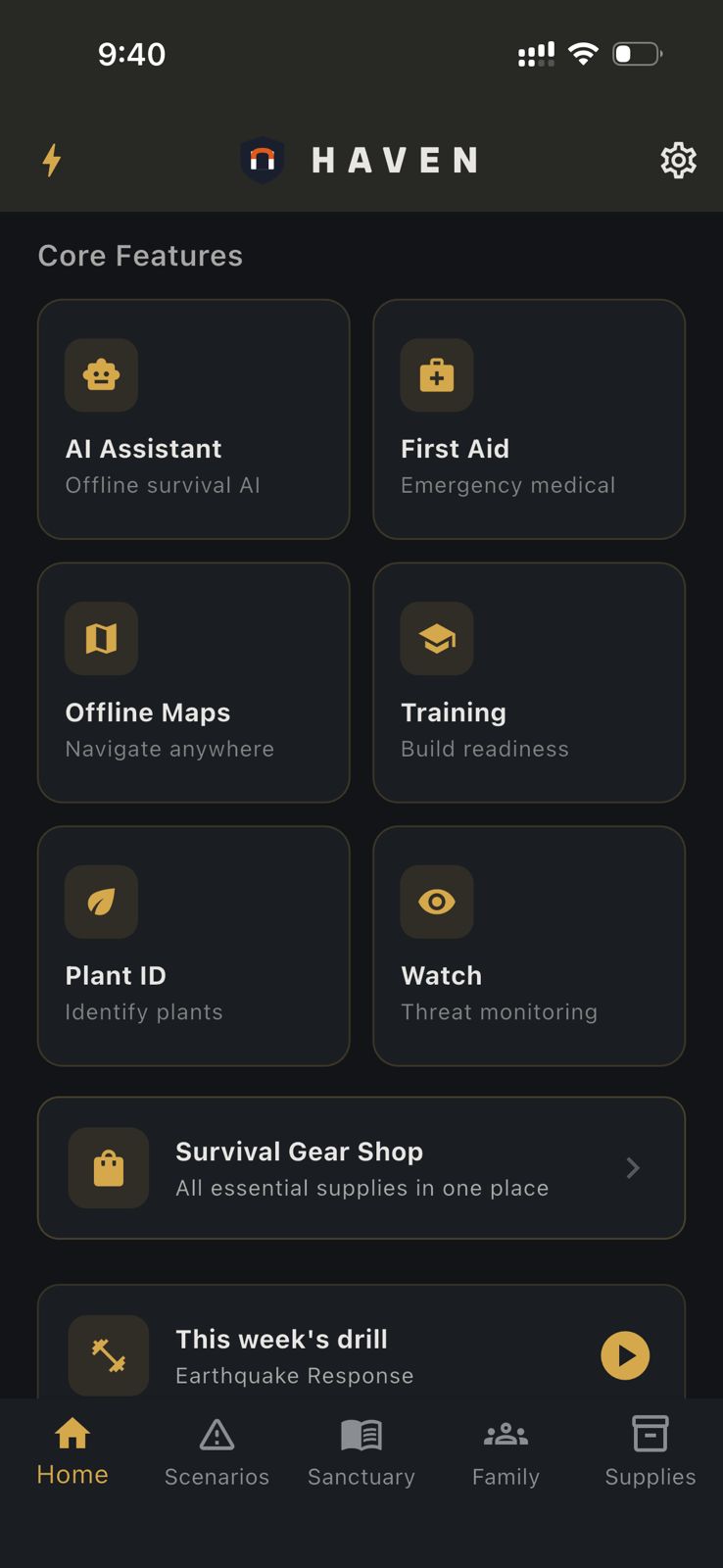
HAVEN provides offline AI guidance specifically tuned for homesteading and self-sufficiency. Ask questions about cooking techniques, fuel storage, food safety, and emergency protocols, and get answers instantly, without signal, without burning battery on searches.
The Sanctuary library includes illustrated guides covering:
- Food preservation and storage
- Emergency cooking procedures
- Fire safety protocols
- Long-term self-sufficiency techniques
Every piece of critical knowledge downloads directly to your device. When the grid fails and the internet disappears, your offline brain stays sharp.
HAVEN's Off-Grid mode also includes:
- Supply tracking calibrated for long-term coverage
- Homesteading emergency protocols
- Off-grid reference books available completely offline
Whether you're building a homestead, preparing for emergencies, or simply want the confidence of true self-sufficiency, HAVEN ensures you're never without expert guidance.
Conclusion: Master the Fire Before You Need It
Cooking off grid is a skill set that demands practice. Don't wait for an emergency to figure out how your rocket stove works or how long it takes to bake bread in a solar oven. Start now, when the stakes are low and learning is enjoyable rather than desperate.
Build your cooking system. Stock your fuel. Practice your methods. And make sure you have access to the knowledge you need, even when the grid (and the internet) go dark.
That's where HAVEN comes in. Download HAVEN and explore Off-Grid Living mode. When the power goes out, you'll be ready to cook, not improvise.
Ready to get prepared?
Download HAVEN free and start your preparedness journey today.