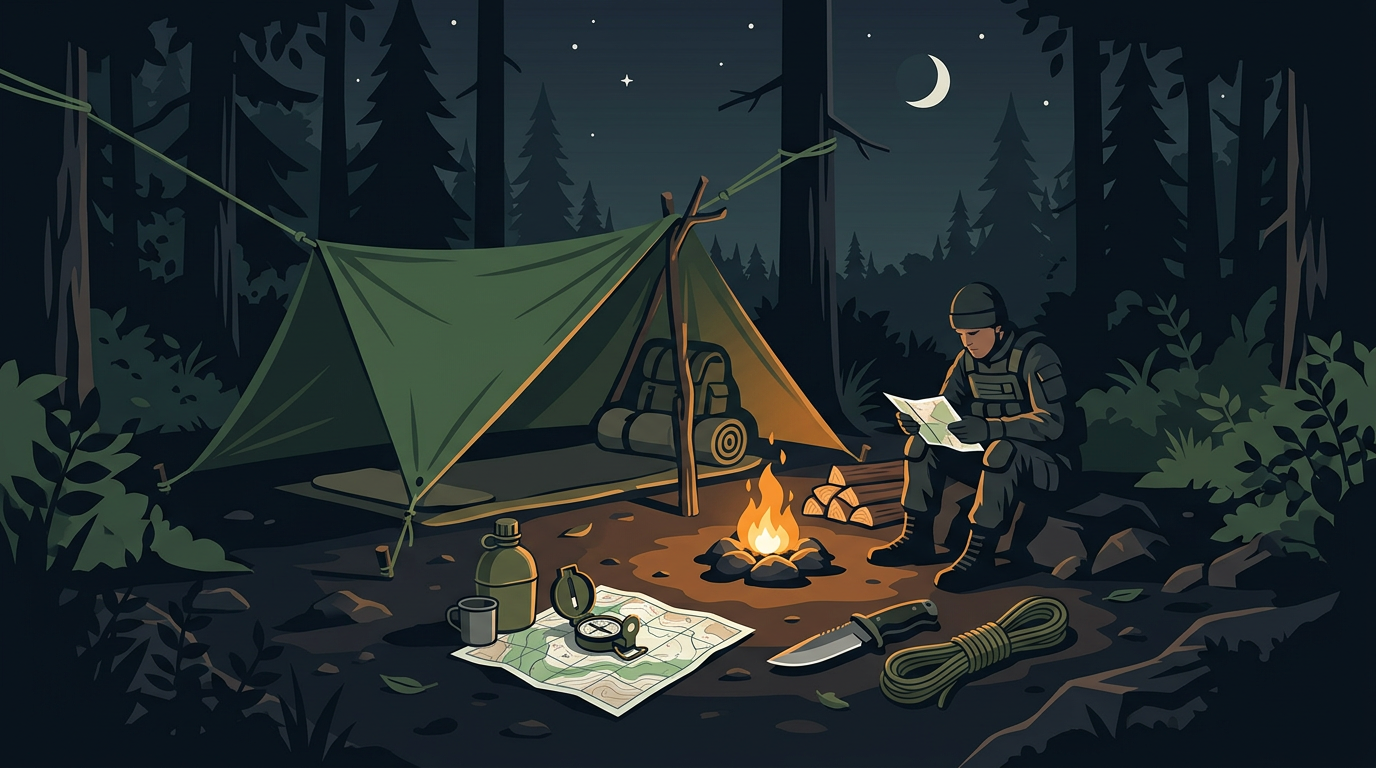
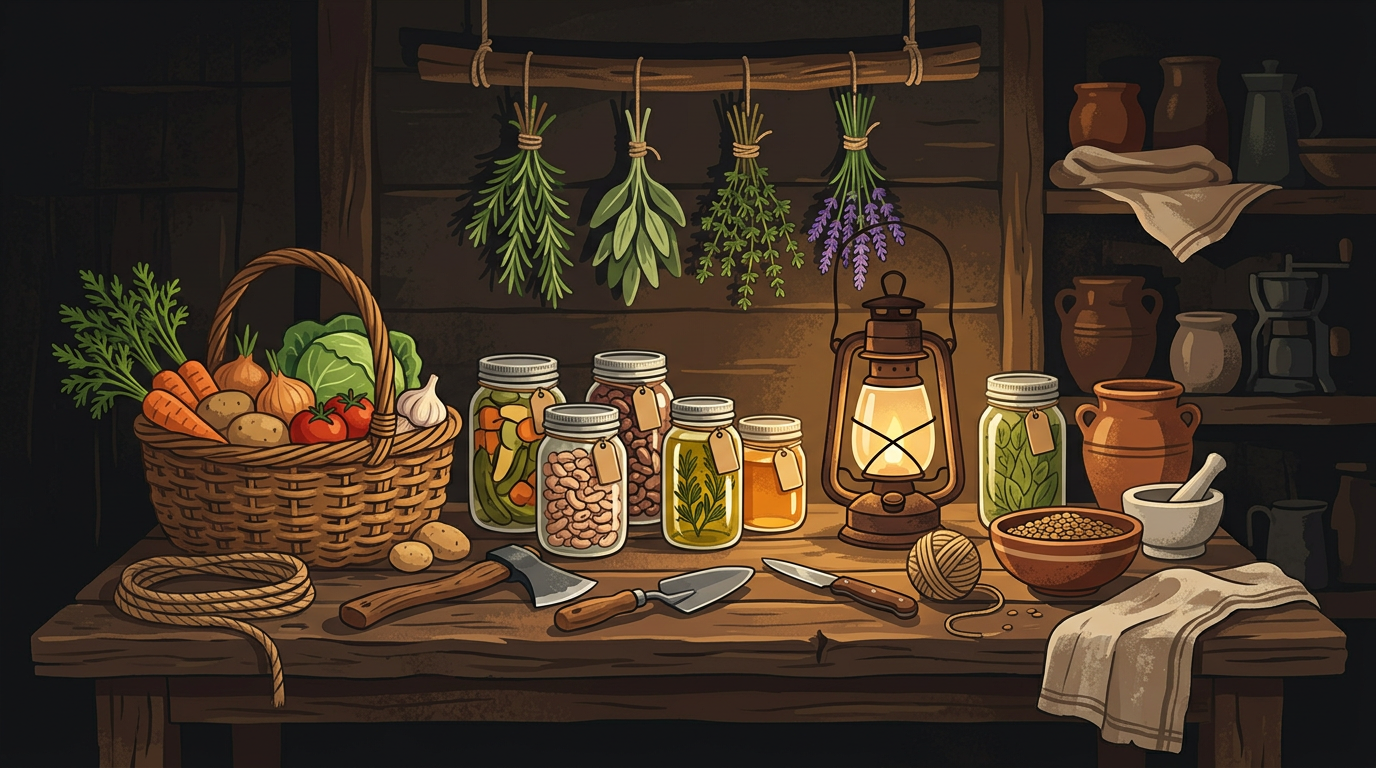
SHTF Survival Plan 2026: The Complete Beginner's Guide
The 2026 SHTF survival plan for beginners: the 5 most likely scenarios, a 7-step prep plan you can start this week, the common mistakes that cost preppers thousands, and the mindset that actually keeps people alive.
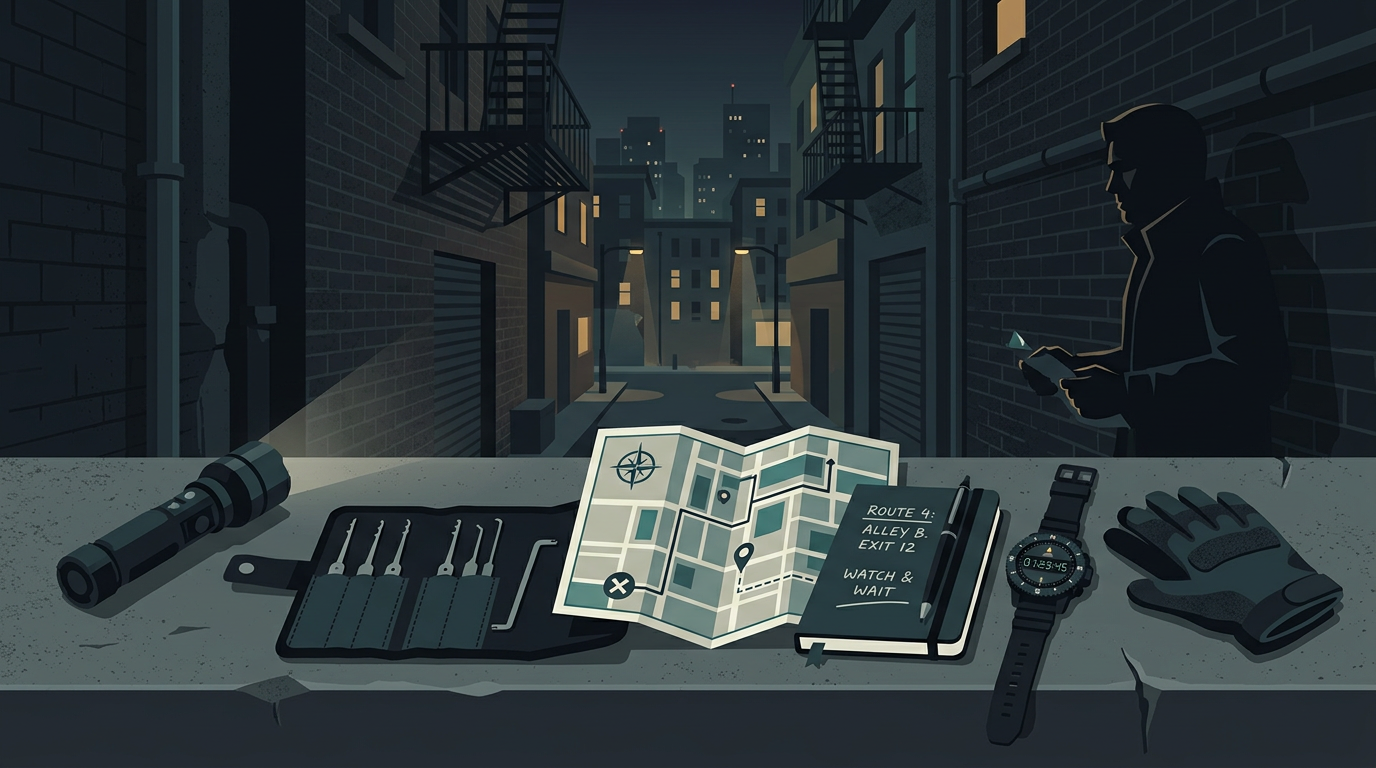
"SHTF" stands for when the Sh*t Hits The Fan, a shorthand in the preparedness community for scenarios where normal societal infrastructure fails and you must rely on your own resources, skills, and planning. It's not a doomsday fantasy. It's a practical acknowledgment that critical infrastructure does fail, and being prepared for it is rational.
This guide is for beginners, people who want to start taking preparedness seriously without getting lost in the deep end of prepper culture.
> Quick Answer: Start with the basics: 7 days of water and food, a basic first aid kit, and a written family emergency plan. Once that foundation is in place, expand your supplies, learn core survival skills, and build scenario-specific knowledge. You do not need to spend thousands of dollars or build a bunker. You need a plan, supplies, and knowledge.
What Does "SHTF" Actually Mean?
SHTF scenarios range from personal (job loss, medical crisis, house fire) to regional (hurricane, earthquake, ice storm) to national (grid collapse, EMP, supply chain disruption) to global (pandemic, nuclear exchange). The preparedness strategies that protect you in small scenarios also protect you in large ones, scaled appropriately.
For a beginner, focus on the most statistically likely scenarios first:
The Top 5 SHTF Scenarios to Prepare For
1. Extended Power Outage (Most Likely)
The U.S. power grid experiences major outages affecting millions of people every year. A winter storm, cyberattack, or equipment failure can knock out power for weeks. This is the most accessible scenario to prepare for and the most commonly experienced.
2. Natural Disaster
Depending on where you live: hurricane, earthquake, tornado, wildfire, flood. FEMA reports that the U.S. averages over 60 major disaster declarations per year. Geographic risk is real and specific to your location.
3. Economic Crisis / Supply Chain Disruption
The 2020–2022 supply chain disruptions demonstrated how quickly store shelves empty and how dependent modern households are on continuous supply. A 30-day supply of food and household essentials is practical insurance against supply shocks.
4. Civil Unrest
Localized civil unrest, protest escalation, social instability, post-disaster looting, is a statistically real risk in urban areas during crisis events. Preparation involves having supplies so you don't need to go out, not "tactical" preparation.
5. Grid Collapse / EMP / Infrastructure Attack
The most severe and least likely near-term scenario, but the one with the highest consequence if it occurs. Preparation for this scenario overlaps heavily with extended power outage preparation.
The 7-Step Beginner SHTF Prep Plan
Step 1: Build a 7-Day Water Supply
One gallon of water per person per day. For a family of four: 28 gallons minimum. Fill food-grade water containers, store in a cool dark location, and rotate every 6–12 months.
Add a water filtration system: A Sawyer Squeeze or LifeStraw filter means any freshwater source becomes drinkable. This effectively gives you unlimited water if you are near a natural source.
Step 2: Build a 7-Day Food Supply (Then Expand to 30)
Non-perishable staples that your family will actually eat:
- Canned goods (beans, vegetables, tuna, chicken, fruit)
- Rice and dried beans
- Peanut butter
- Dried pasta and sauce
- Oats and granola
- Nuts and seeds
Do not buy specialty "survival food" when you're starting out. Buy extra of what you already eat, rotate it, and replace it. This is called the "pantry method" and is both cheaper and more practical than buying freeze-dried survival buckets.
Step 3: Basic First Aid
A comprehensive first aid kit is non-negotiable. Go beyond the standard 100-piece kit:
- Add a tourniquet (CAT or SOFTT-W)
- Add hemostatic gauze (QuikClot)
- Ensure you have at minimum 30 days of any prescription medications
Take a basic first aid course. The American Red Cross offers in-person and online options. Stop-the-Bleed is a free 2-hour course that teaches tourniquet use and wound packing, skills that save lives.
Step 4: Written Family Emergency Plan
This is the most underrated step. A written plan covers:
- Meeting points: Where does your family meet if cell phones are down? One location near home, one further away.
- Out-of-area contact: One person outside your region who everyone checks in with. Local lines jam in a disaster; long-distance calls often go through.
- Evacuation routes: Two routes out of your neighborhood and your city. Drive them in advance.
- Important documents: Where are originals stored? Where are copies?
- Individual roles: Who grabs what bag? Who gets the kids? Who checks on elderly neighbors?
Write this down. Print it. Give a copy to every family member old enough to read it. Put a copy in your car.
Step 5: Communication When Cell Is Down
Cell towers are among the first infrastructure to be overwhelmed or fail in disasters.
Prepare for communication failure:
- Battery/hand-crank NOAA radio: Your primary news source when internet is gone
- FRS/GMRS handheld radios: Motorola T-Series, 3–5 mile range, no license required for FRS. One per adult.
- Memorized or written phone numbers: Every important number written on a physical card. Your phone is not reliable in a disaster.
- Offline apps: Any app that requires internet will fail when you need it most. HAVEN works completely offline.
Step 6: Basic Survival Skills
Knowledge cannot be looted. Start with these foundational skills:
- Water purification: Boiling, chemical treatment, and filter operation
- Basic first aid: Wound care, bleeding control, shock management
- Fire starting: At least three methods (lighter, matches, ferro rod)
- Navigation: Compass use and map reading, not GPS
- Food preparation without power: Camping stove operation, safe food handling without refrigeration
- Home security basics: Securing entry points during civil unrest
Step 7: Get Fit (Seriously)
Physical fitness is one of the most overlooked preparedness factors. A crisis scenario that requires hiking 10 miles with a 25-lb pack, carrying an injured family member, or maintaining physical and mental composure under sustained stress will reveal fitness deficiencies immediately. Start with 30-minute walks, build to hiking, and prioritize functional strength.
The 5 Most Common Beginner Mistakes
Mistake 1: Buying gear before building a plan
A $2,000 bug out bag is useless if you don't know where you're going or why. Write your plan first.
Mistake 2: Preparing for unlikely scenarios and ignoring likely ones
Many beginners focus on nuclear war or zombie apocalypse while having no plan for a 5-day power outage. Start with what's actually likely in your area.
Mistake 3: Stockpiling food you won't eat
Emergency food stores should contain things your family actually eats. A crisis is the wrong time to try new foods or force children to eat unfamiliar items.
Mistake 4: Ignoring information access
Physical books and offline apps are your information infrastructure in a grid-down scenario. What do you do when you can't search the internet? Have an answer ready.
Mistake 5: Not practicing
A plan on paper is not a plan. A first aid kit you've never opened is not a first aid kit. Run drills. Use your camping stove before you need it. Execute your evacuation route once. Knowledge requires practice to become skill.
Mental Resilience: The Factor Nobody Talks About
Studies of disaster survivors consistently find that psychological resilience is as important as physical preparation. People who survive extended crises share common traits:
- Prior mental rehearsal: They had thought through scenarios before they happened
- Clear roles and responsibilities: They knew what their job was and did it
- Optimism without denial: They acknowledged the severity of their situation while maintaining confidence in their ability to manage it
- Community connection: They were not trying to survive alone
Preparedness is an act of optimism. You are building confidence that your family can handle what comes. That psychological foundation, the elimination of "I don't know what I would do", is itself a survival tool.
How HAVEN Helps You Start and Sustain Your SHTF Prep
HAVEN was built for exactly the scenarios described in this guide. Every SHTF scenario, extended power outage, natural disaster, civil unrest, nuclear, EMP, grid collapse, has a dedicated, deep scenario module with AI-guided step-by-step decision support.
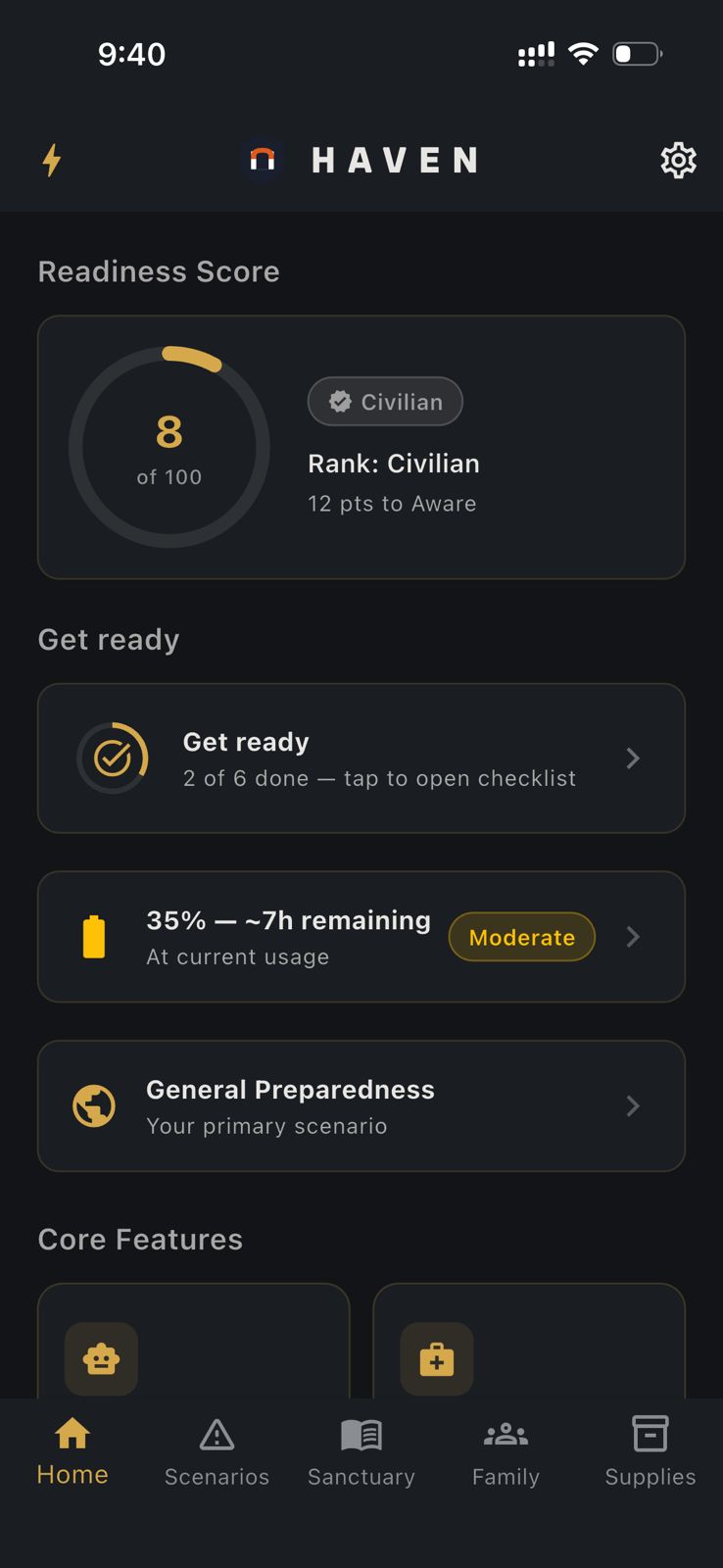
The HAVEN Readiness Score tracks your actual preparedness level across supplies, skills, plans, and knowledge. It tells you exactly what to work on next. The 30-day prep program gives you one task per day to build your foundation methodically.
And when a real emergency is declared, HAVEN automatically unlocks all Pro features for free, because in a real crisis, survival guidance should be free.
Download HAVEN free on iOS and Android. Whether you're on day one of your prep journey or day 300, HAVEN gives you the knowledge and AI guidance to handle whatever comes, completely offline.
---
HAVEN is a product of Primecode LLC. Download HAVEN on iOS and Android.
FAQ
Q: How much money do I need to start prepping?
A: A meaningful 7-day baseline can often be built for well under $200 by prioritizing water containers, extra pantry food, a basic trauma-capable first aid kit, and a battery radio.
Q: How long does it take to get prepared?
A: HAVEN's 30-day program builds a foundation in a month with short daily tasks; deeper 30-day supplies and redundant comms typically take a few months of steady effort.
Q: Is prepping paranoid?
A: Government agencies already recommend multi-day self-sufficiency; extending that window is mainstream risk management, not fantasy.
Q: Where do I start on a small budget?
A: Water first, then shelf-stable food you already eat, then first aid and lighting—before expensive gadgets.
Q: What is the most important survival skill?
A: Sound prioritization under stress—knowing when to shelter, evacuate, conserve resources, or seek help—often beats gear alone.
Ready to get prepared?
Download HAVEN free and start your preparedness journey today.