Earthquake Preparedness: Before, During, and After
Earthquakes strike without warning. Complete guide to preparing your home, surviving the shaking, and recovering after.
Earthquakes are among the most unpredictable natural disasters. Unlike hurricanes or floods, there's no warning. Preparation is your only defense. This guide covers what to do before, during, and after an earthquake.
Before: Prepare Your Home
Structural Safety
- Secure heavy furniture (bookshelves, water heaters) to walls with brackets
- Install latches on cabinets to prevent contents from falling
- Move heavy objects from high shelves to lower ones
- Identify safe spots in each room (under sturdy tables, against interior walls)
- Know where your gas and water shutoffs are
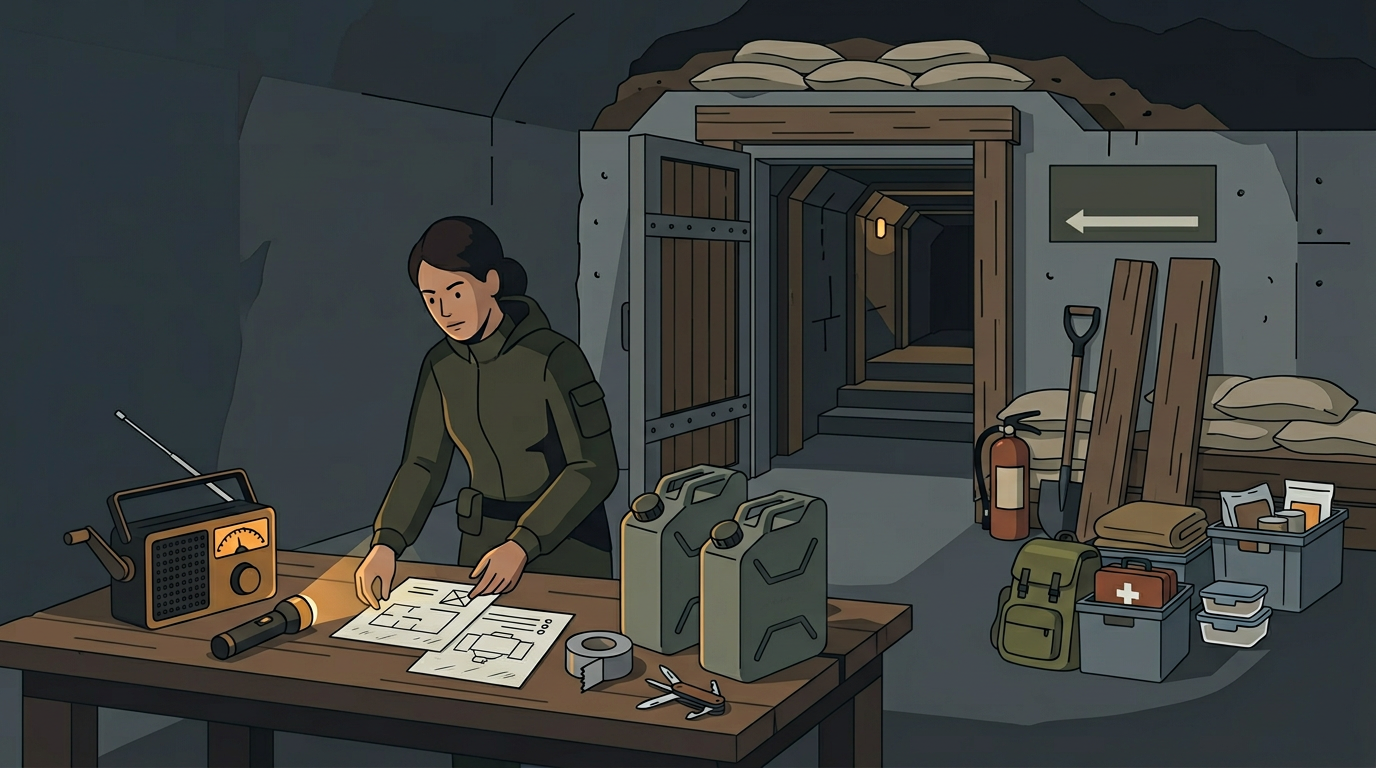
Emergency Kit
- Water: 1 gallon per person per day, 14-day supply
- Food: Non-perishable, easy to prepare
- First aid kit with medications
- Flashlight, radio, batteries
- Whistle (to signal for rescue)
- Wrench for gas shutoff
- Sturdy shoes by each bed
- Fire extinguisher
Family Plan
- Practice Drop, Cover, Hold On with your family
- Designate meeting points (near home and away from home)
- Know your school/workplace evacuation procedures
- Identify your nearest open space (away from buildings)
During: Drop, Cover, Hold On
If indoors:
- DROP to your hands and knees
- Take COVER under a sturdy desk or table
- HOLD ON to your shelter until shaking stops
- Stay away from windows, exterior walls, and heavy objects
- Do NOT run outside during shaking
If outdoors:
- Move to an open area away from buildings, power lines, and trees
- Drop to the ground if needed
- Cover your head and neck with your arms
If driving:
- Pull over to the side of the road, away from overpasses and bridges
- Stay in the vehicle with seatbelt on
- Wait until shaking stops before driving carefully
After: The First 72 Hours
- Check yourself and others for injuries
- Expect aftershocks, each one: Drop, Cover, Hold On again
- Check for gas leaks (smell, hissing). If detected, shut off gas and leave
- Check for structural damage before moving through the building
- Use text messages rather than calls (texts use less bandwidth)
- Avoid damaged buildings and downed power lines
- Tune into emergency broadcasts
Related guides
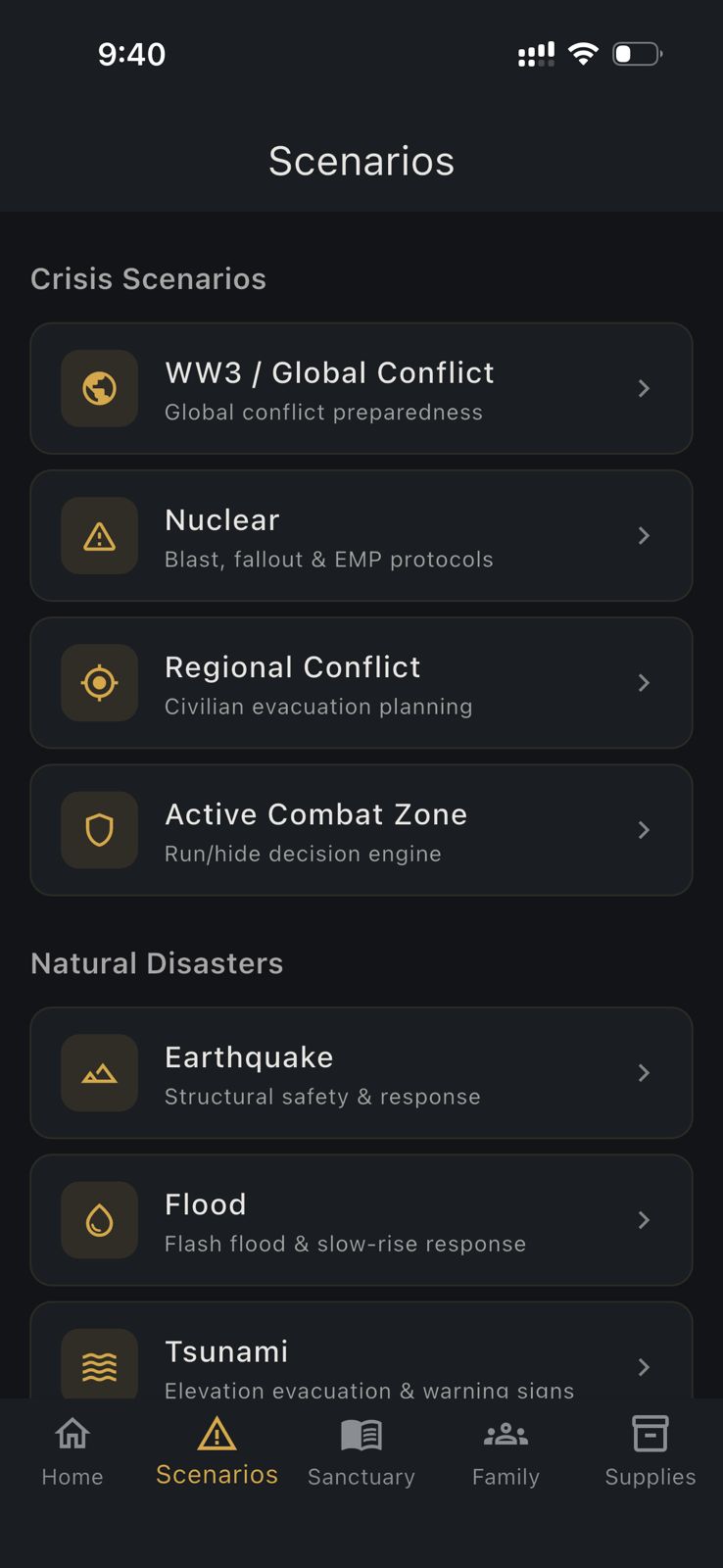
HAVEN's Earthquake Scenario
HAVEN's Earthquake scenario provides step-by-step guidance for all three phases, structural safety checklists, aftershock protocols, and supply recommendations specific to earthquake regions. The offline AI can answer questions about structural damage assessment, first aid for crush injuries, and utility shutoff procedures.
FAQ
Q: What should I do during an earthquake indoors?
A: Drop, Cover, and Hold On under sturdy furniture until shaking stops; stay away from windows and heavy objects that can topple.
Q: How much water should I store for earthquakes?
A: Plan at least one gallon per person per day; many planners now target a 14-day supply because utilities can take weeks to restore.
Q: Should I run outside during shaking?
A: No. Exits and facades are dangerous during shaking; shelter in place until the motion stops, then assess structural safety before evacuating if needed.
Q: How can HAVEN help after a quake if networks are down?
A: Offline checklists, AI Q&A, and scenario flows guide shutoffs, aftershock safety, and injury triage without internet.
Ready to get prepared?
Download HAVEN free and start your preparedness journey today.