Los Angeles Earthquake: What Happened and What to Do Next Time
A magnitude 4.2 earthquake struck near Commerce, a few miles from downtown Los Angeles, at 3:25 AM on November 20. No major damage or injuries were reported. Here's what happened, what to do when the shaking starts, and a 10-minute checklist for this weekend.
At 3:25 AM on Thursday, November 20, an earthquake shook much of Los Angeles awake. The U.S. Geological Survey (USGS) placed it about half a mile northwest of Commerce, roughly 7 miles from downtown LA. More than 12,000 people reported feeling it on the USGS "Did You Feel It?" page.
Quick answer: The USGS put the quake at magnitude 4.2. Early reports briefly listed it as 4.4, so you will see both numbers. The Los Angeles Fire Department reported no significant damage or injuries. Small aftershocks are possible. If the ground shakes again, Drop, Cover and Hold On: drop to your hands and knees, cover your head and neck under a sturdy table, and hold on until the shaking stops. Don't run outside.
What happened on November 20
- When: 3:25 AM Pacific time, Thursday, November 20, 2026.
- Where: About half a mile northwest of Commerce, southeast of downtown Los Angeles.
- How strong: Magnitude 4.2 according to the USGS. Moderate shaking was felt across LA County.
- Damage: None significant, according to the LA Fire Department.
- What's next: The Southern California Seismic Network says aftershocks may follow, usually at least one magnitude smaller than the main quake.
For the official, up-to-date figures, check the USGS event page at [earthquake.usgs.gov](https://earthquake.usgs.gov/earthquakes/map/).
What to do during an earthquake
1. Drop where you are, onto your hands and knees.
2. Cover your head and neck with your arms. Get under a sturdy table or desk if one is close. If not, get next to an interior wall, away from windows.
3. Hold on until the shaking stops. Be ready to move with your shelter.
In bed? Stay there. Turn face down and cover your head and neck with a pillow. Most injuries come from walking over broken glass in the dark.
Driving? Pull over away from bridges, overpasses and power lines, set the parking brake and stay in the car until it stops.
Outside? Move away from buildings, trees and power lines, then drop, cover and hold on.
Don't run outside during the shaking. Falling glass and building parts near doorways cause many injuries.
After the shaking stops
- Check yourself and others for injuries. Give first aid if you know how.
- Put on shoes before you walk around.
- Smell gas? Leave the building and call the gas company from outside. Don't turn lights or switches on or off.
- Expect aftershocks. Drop, cover and hold on each time.
- Text, don't call. Texts get through more easily when networks are busy.
- Check official sources such as the USGS, your city's emergency account and local news, not rumors.
Aftershock basics
Aftershocks are smaller earthquakes that follow the main one in the same area. Most happen within hours or days, and they usually get smaller and less frequent over time. A 4.2 rarely leads to anything bigger, but scientists can't rule it out. That's why the same steps apply every time the ground moves.
Your 10-minute weekend earthquake checklist
You don't need a big project. Spend 10 minutes on this:
Swipe sideways to compare columns
| Task | Why it matters |
|---|---|
| Shoes and a flashlight by every bed | Night quakes break glass and cut the power |
| Water for 3 days, 1 gallon per person per day | Water lines can break after a big quake |
| A charged power bank | Your phone is your flashlight, radio and map |
| Strap tall furniture and the TV | Falling furniture causes many injuries |
| Know where the gas shutoff is | Only turn it off if you smell gas or hear a hiss |
| Pick a family meeting point | Cell networks can jam right after a quake |
| Save guides offline | You may not have internet when you need them |
For the full plan, read our earthquake preparedness guide.
How HAVEN helps
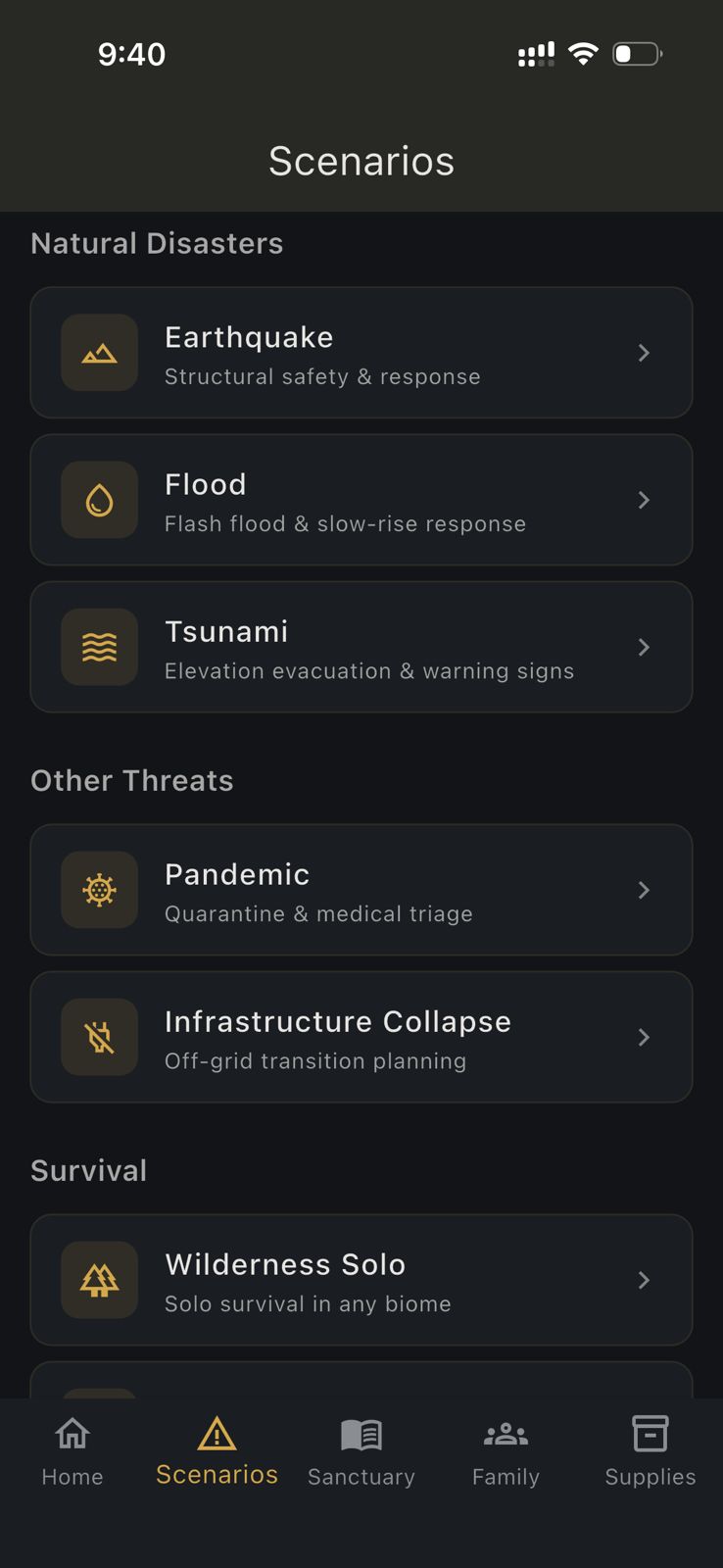
- Works with no internet. Earthquake steps, first aid, survival guides and offline maps work in Airplane Mode.
- Supplies checklist. Track water, food, medicine and your earthquake kit.
- Messaging without the network. Nearby family phones can text over Bluetooth when cell service is down.
- HAVEN Watch. Follows official sources and alerts you about real events where you and your family are.
Download HAVEN free and set it up this weekend.
FAQ
Q: Was there an earthquake in Los Angeles today?
A: Yes. A magnitude 4.2 earthquake struck about half a mile northwest of Commerce, near downtown Los Angeles, at 3:25 AM on November 20, 2026, according to the USGS. No significant damage or injuries were reported.
Q: Was the Los Angeles earthquake a 4.2 or a 4.4?
A: The USGS listed it as magnitude 4.2. It was briefly reported as 4.4 while the data was being reviewed, which is why some reports show the higher number.
Q: What should you do during an earthquake?
A: Drop to your hands and knees, cover your head and neck under a sturdy table or next to an interior wall, and hold on until the shaking stops. Don't run outside. If you're in bed, stay there and cover your head with a pillow.
Q: Will there be aftershocks after the Commerce earthquake?
A: Small aftershocks are possible, usually at least one magnitude smaller than the main quake. Most happen within hours or days. Drop, cover and hold on each time you feel shaking.
Q: What should be in an earthquake kit?
A: Water for 3 days (1 gallon per person per day), food, a flashlight, shoes by the bed, a first aid kit, medicine, a charged power bank, cash, and copies of important documents.
Ready to get prepared?
Carry on-device AI advice, offline topographic maps, and 12 printable field manuals on your phone with zero cell signal needed.